The Ultimate Guide to Dog Harness Styles: How to Choose the Right Harness for Every Situation
dog harness manufacturer USA, custom dog harness OEM, private label dog harness supplier, dog harness types guide, best dog harness for walking, wholesale dog harness factory, pet harness customization
Choosing the right dog harness is essential for your pet’s comfort, safety, and overall walking experience. For pet brands, retailers, and distributors in the U.S. market, understanding different harness styles can also help create better product lines that meet customer needs.
In this guide, we break down the most popular types of dog harnesses, their pros and cons, and the best situations to use each one.
Why Choosing the Right Dog Harness Matters
Unlike traditional collars, harnesses distribute pressure across a dog’s chest and body, reducing strain on the neck and improving control. A well-designed harness can:
-
Improve walking comfort
-
Prevent choking and neck injuries
-
Reduce pulling behavior
-
Enhance safety during outdoor activities
For brands and wholesalers, offering the right harness styles can significantly increase customer satisfaction and repeat purchases.
1. Back-Clip Harness (Standard Harness)
Overview
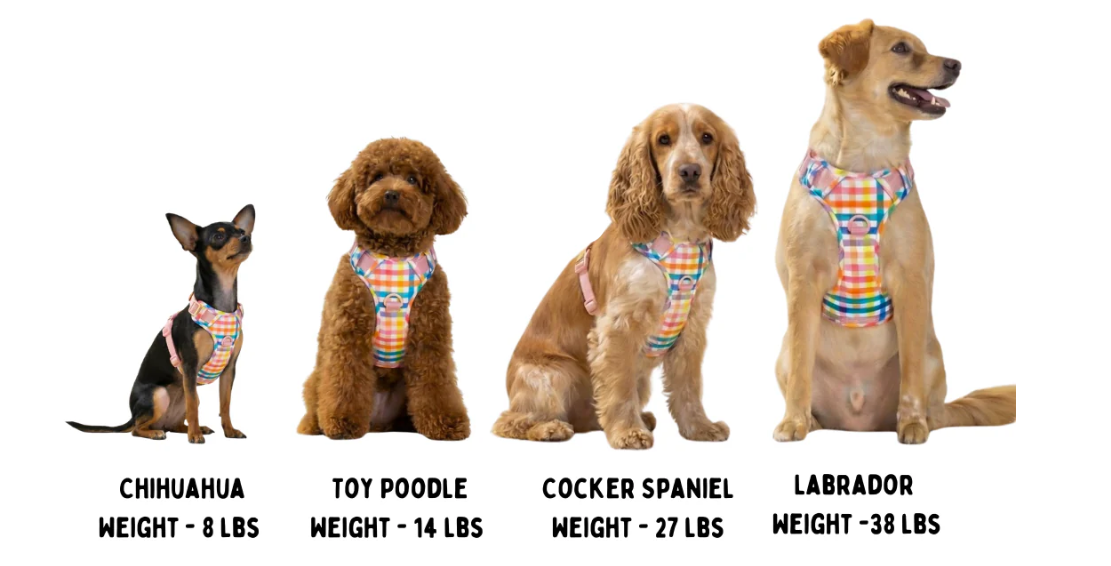
Back-clip harnesses feature a D-ring located on the dog’s back. They are one of the most common harness styles in the U.S. pet market.
Advantages
-
✅ Easy to put on and take off
-
✅ Comfortable for daily walks
-
✅ Suitable for calm and trained dogs
-
✅ Minimal pressure on the neck
Disadvantages
-
❌ Less control for strong pullers
-
❌ May encourage pulling in some dogs
Best Use Scenarios
-
Daily neighborhood walks
-
Small to medium-sized dogs
-
Well-trained or low-pulling dogs
-
Casual outdoor activities
2. Front-Clip Harness (No-Pull Harness)
Overview
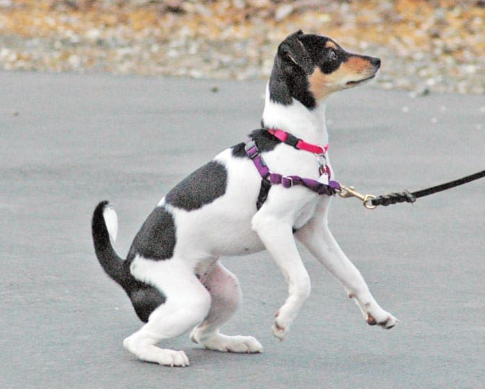
Front-clip harnesses have a leash attachment point on the dog’s chest. They are designed to discourage pulling by redirecting the dog’s movement.
Advantages
-
✅ Helps reduce pulling behavior
-
✅ Provides better control
-
✅ Trainer-recommended design
-
✅ Suitable for beginners
Disadvantages
-
❌ May restrict movement if poorly designed
-
❌ Can twist during intense activity
Best Use Scenarios
-
Dogs that pull strongly
-
Training sessions
-
Urban walking environments
-
First-time dog owners
3. Step-In Harness
Overview
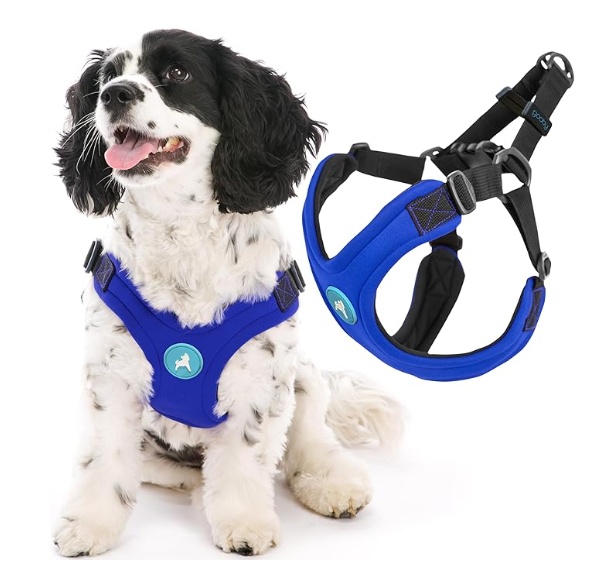
Step-in harnesses require dogs to step into the straps before fastening. They are popular for small breeds and puppies.
Advantages
-
✅ Lightweight and simple structure
-
✅ Easy for dogs that dislike overhead harnesses
-
✅ Affordable and compact
-
✅ Good for indoor and short walks
Disadvantages
-
❌ Limited support for large dogs
-
❌ Less secure for escape-prone pets
Best Use Scenarios
-
Puppies and toy breeds
-
Short potty walks
-
Indoor and apartment living
-
Low-activity dogs
4. Vest Harness (Padded Harness)
Overview
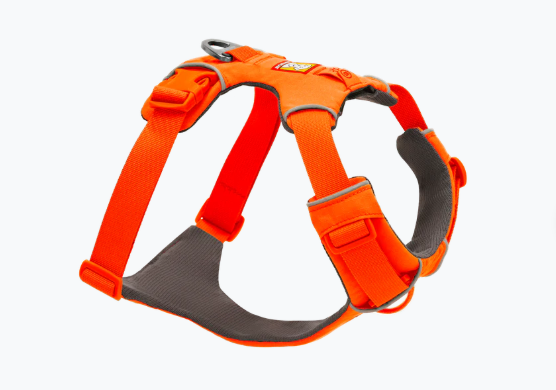
Vest harnesses use wide, padded panels to distribute pressure evenly across the chest and shoulders.
Advantages
-
✅ Maximum comfort
-
✅ Reduces friction and chafing
-
✅ Ideal for sensitive skin
-
✅ Premium appearance
Disadvantages
-
❌ Heavier than standard harnesses
-
❌ Less breathable in hot weather
-
❌ Higher production cost
Best Use Scenarios
-
Long walks and travel
-
Senior dogs
-
Small and medium breeds
-
Fashion-oriented pet brands
5. Y-Shaped Harness (Ergonomic Harness)
Overview
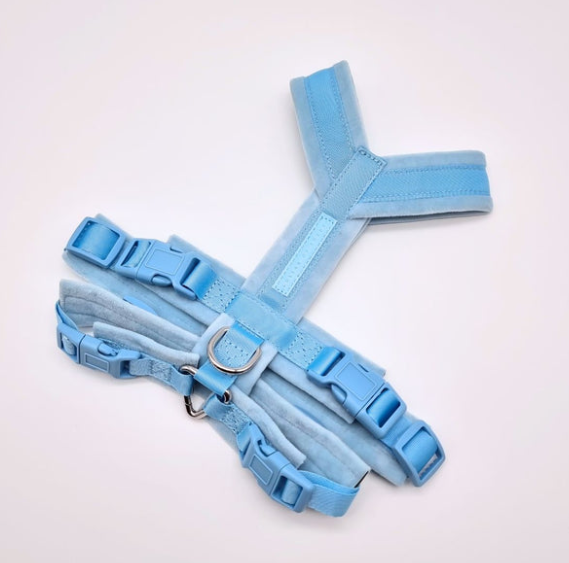
Y-shaped harnesses form a “Y” pattern across the chest, allowing full shoulder movement and natural motion.
Advantages
-
✅ Supports natural gait
-
✅ Professional ergonomic design
-
✅ Suitable for active dogs
-
✅ Popular in premium markets
Disadvantages
-
❌ Requires precise sizing
-
❌ More complex manufacturing
Best Use Scenarios
-
Hiking and outdoor adventures
-
Sport and working dogs
-
Long-distance walks
-
High-end performance brands
6. Tactical / Utility Harness
Overview
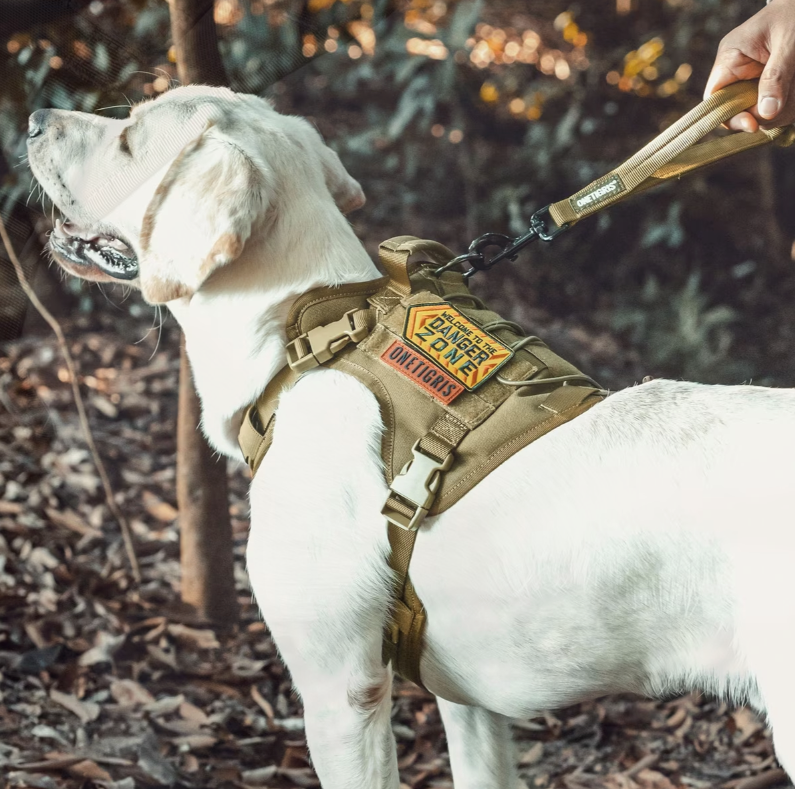
Tactical harnesses are made with reinforced materials, MOLLE systems, and heavy-duty buckles for durability and load-bearing.
Advantages
-
✅ Extremely durable
-
✅ Supports accessories and ID patches
-
✅ Strong pulling resistance
-
✅ Military-inspired design
Disadvantages
-
❌ Bulky and heavy
-
❌ Not suitable for small dogs
-
❌ Higher retail price
Best Use Scenarios
-
Large and powerful breeds
-
Training and working dogs
-
Outdoor expeditions
-
Security and service applications
Comparison: Which Dog Harness Is Right for Your Market?
| Harness Type | Comfort | Control | Durability | Best For |
|---|---|---|---|---|
| Back-Clip | High | Medium | Medium | Daily walks |
| Front-Clip | Medium | High | Medium | Training |
| Step-In | Medium | Low | Low | Small dogs |
| Vest | Very High | Medium | Medium | Long wear |
| Y-Shaped | High | High | High | Active dogs |
| Tactical | Medium | Very High | Very High | Working dogs |
How We Help Brands Develop the Right Dog Harness Collection
As a professional OEM/ODM pet products manufacturer with over 30 years of experience, we help U.S. brands create competitive harness collections through:
-
Custom sizing and fit development
-
Material and padding optimization
-
Color and pattern design
-
Logo and packaging customization
-
Low MOQ and fast sampling
Our engineering and design teams work closely with clients to ensure every harness meets market expectations and safety standards.
Looking to Customize Dog Harnesses for Your Brand?
If you are planning to launch or upgrade your dog harness product line, choosing the right manufacturing partner is essential.
When you work with us, you receive:
-
📐 Professional product consultation
-
📦 Private label solutions
-
🧪 Sample development support
-
💰 Competitive factory pricing
-
🚀 Reliable delivery schedules
👉 Contact our team today to request a free consultation and quotation.
Let’s build comfortable, functional, and market-ready dog harnesses together.